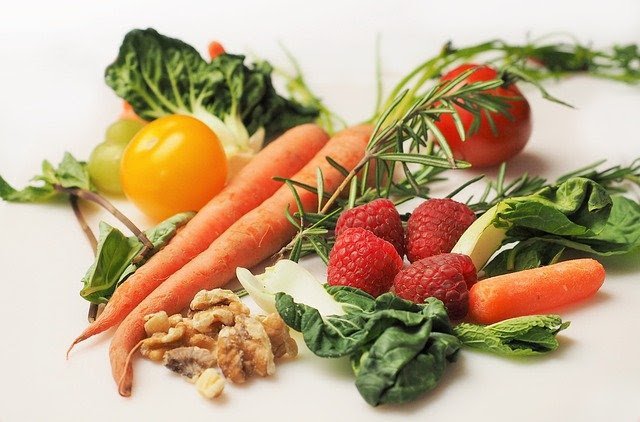
Some of you are worried about pesticides when eating vegetables, and are the pesticides on the skin strong?
Normally, I take care to peel off the skin as thickly as possible, but I am especially careful when eating vegetables with the skin on! .
Many people think that as long as they wash well, they are fine, and even if they are a little worried, they want to eat vegetables with the skin on.
Certainly, there are many people who are worried about a lot of pesticides on the skin and outer leaves.
There are two types of pesticides: systemic pesticides, which are absorbed from the soil by roots, and contact pesticides, which are applied directly.
Permeable substances are used in the early stages of vegetable cultivation, and once they accumulate on the leaves, they will be dispersed during the harvest season, so there is no need to worry as much as everyone is worried about. It is believed that no
In addition, the contact pesticides that are sprayed only stick to the surface, so it seems that they can be washed off with water.
That said, when considering safety, many people seem to peel the vegetables themselves thickly.
It is true that the skin part is rich in dietary fiber and contains many nutrients.
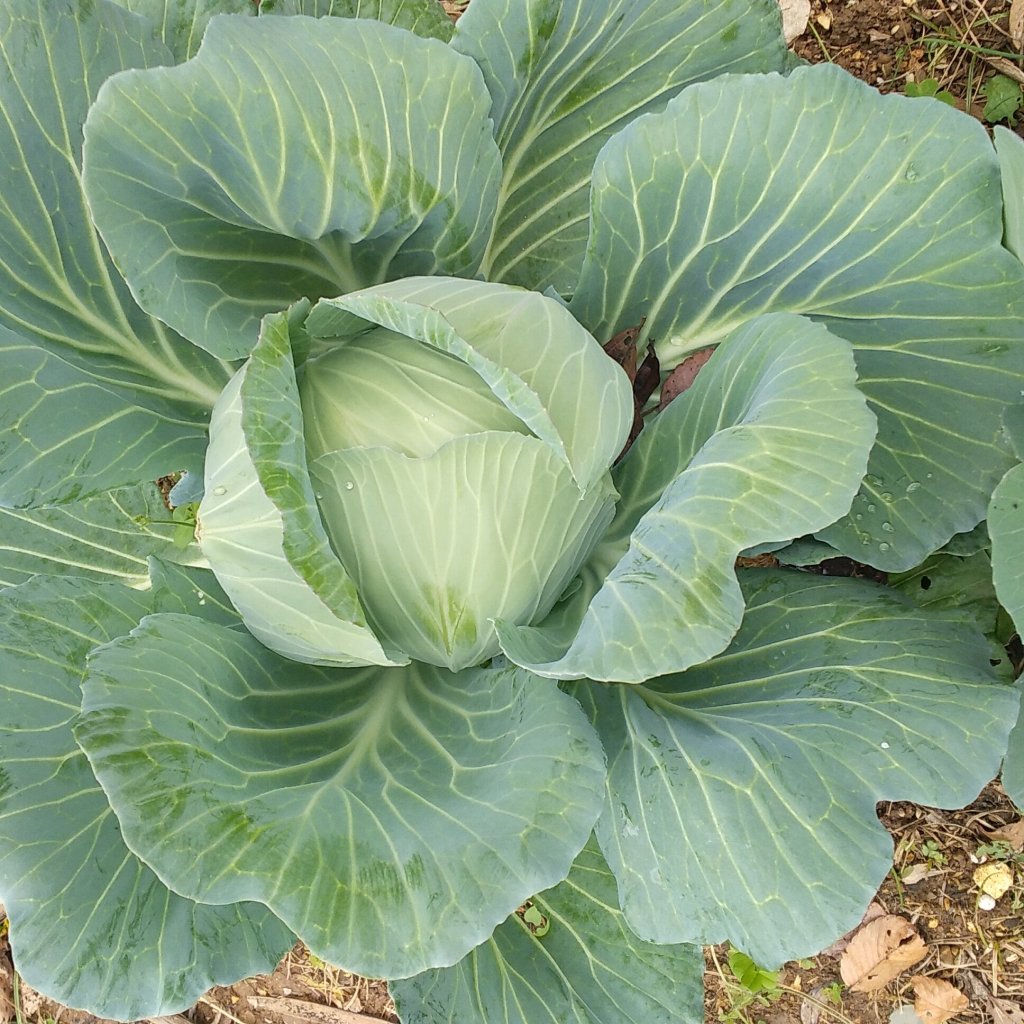
Cabbage, for example, is rich in vitamin C in the outer leaves and core parts that you throw away.
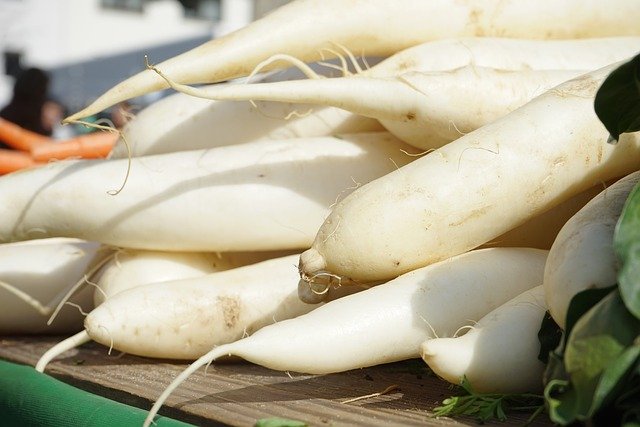
Daikon radish and turnip leaves are splendid green and yellow vegetables, and are a treasure trove of β-carotene, vitamin C, and calcium.
It is said that the best way to remove pesticides is to boil them or wash them with a lot of water.
If you’re not careful, you’ll also lose all the nutrients you’ve been working on.
Next, some people say that lye is delicious, but do you think lye should be removed?
How is that possible? Isn’t there a lot of people who think about it?
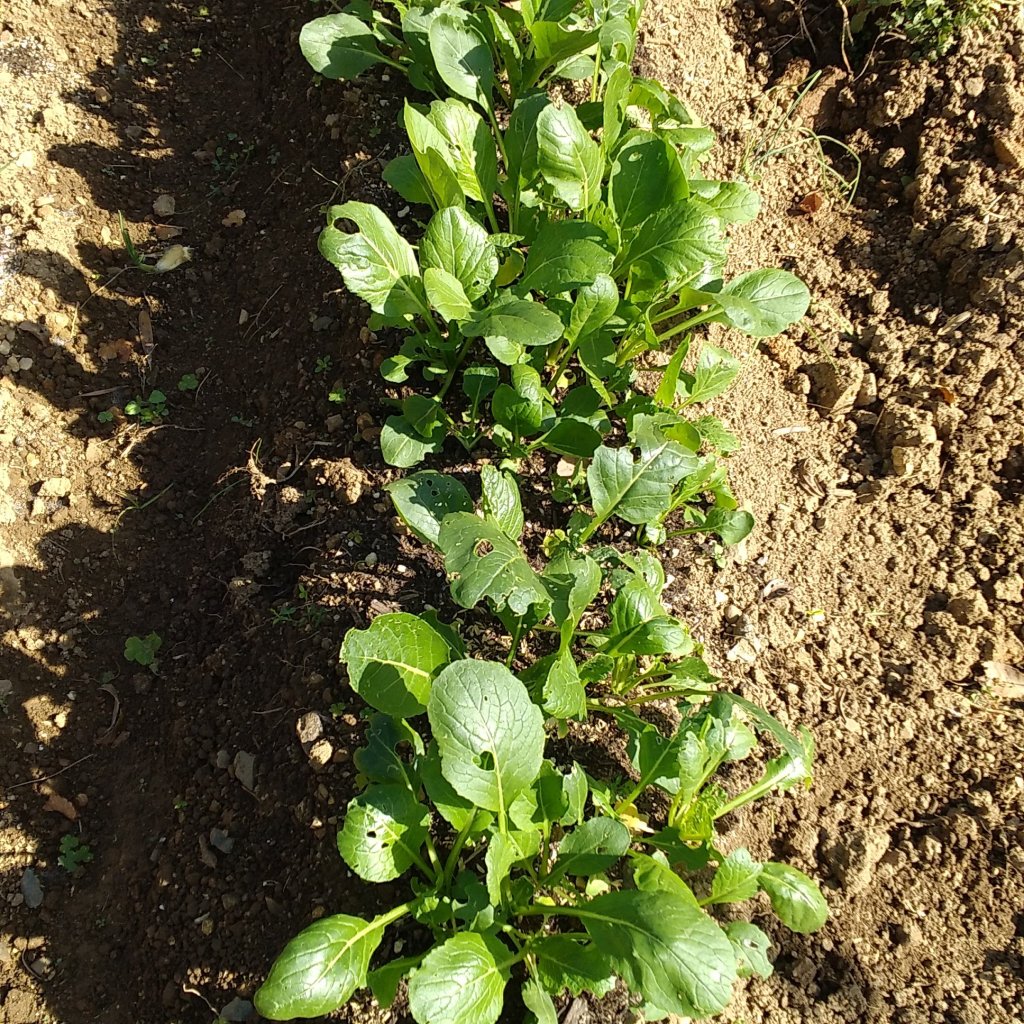
“Should I take Aku?”
Many of you seem to be lamenting that the vegetables these days are lacking in flavor.
That’s why you don’t think you need to remove the scum?
In general, removing the scum is to prevent the taste of the dish from deteriorating due to the scum, and to prevent the ingredients from discoloring due to the scum.
You do.
Of course, there are things like oxalic acid in spinach that are bad for the body, such as binding with calcium and causing stones, so it is important to remove the harshness.
However, if you don’t eat a lot of these lye, it won’t have an immediate adverse effect on your body.
For that reason, let’s think that it is important to know the characteristics of the scum and remove the scum in a way that suits it.
・Spinach leaves are briefly boiled and soaked in water.
・Boil the strongly acrid bamboo shoots with rice water or rice bran.
・To remove the bitter taste of bitter gourd, soak it in water.
・For things that turn black, such as burdock and eggplant, if you prepare them according to each ingredient, such as soaking them in water or soaking them in vinegar water, they will be delicious and the finish will be good.
Secondly, it’s not uncommon to find forgotten vegetables in the refrigerator from time to time.
I wish there was a way to regenerate shriveled vegetables! And everyone thinks, isn’t it?
“How to revive vegetables that have lost their freshness?”
Even though it is the latest refrigerator’s vegetable compartment, the freshness of the vegetables will decrease over time.
But don’t think it’s a waste to throw it away if it doesn’t melt or smell strange.
Soak lettuce, green peas, and green asparagus in ice water for a while. When I did that, I felt refreshed.
If so, heat it up and serve it to the table.
Lettuce and peas can be sautéed quickly to make them delicious.
Also, thinly slice the cucumbers and radishes, rub them with salt, and squeeze out the water to make them lightly pickled. You can soak it in the dressing for a while.
The tender burdock can be eaten deliciously if you simmer it with beef for a long time in a large amount of broth.
By the way, there are various frozen vegetables on the market, but what about their nutritional value? Is there a smart way to use it?
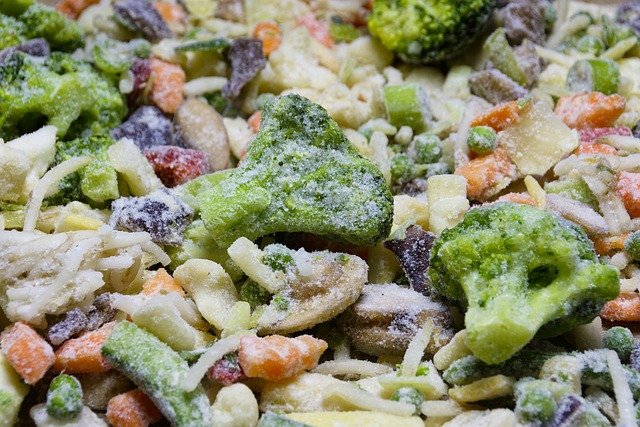
“How can I use frozen vegetables?”
We tend to think that frozen vegetables are less nutritious than fresh ones, but in some cases, they are surprisingly more nutritious.
For example, broccoli has less vitamin C, but beta-carotene is higher than raw, and green soybeans are much better in taste and quality than those that have passed the peak.
This is because the vegetables are harvested during the peak season and immediately frozen, so the nutrients and taste are at their best when they are in season.
Importantly, frozen veggies that have frost on the inside may have been refrozen and the nutrients may have leaked out.
When heating, stir-fried or simmered foods should be cooked quickly while still frozen, and covered with potato starch so that the dissolved vitamin C can be eaten together.
If boiling, heating in the microwave will cause less vitamin C loss than boiling in hot water.
summary
How about making good use of the characteristics of each vegetable?
Depending on how you use frozen vegetables, they are also easy and nutritionally balanced ingredients.
Pre-processed, saves time and effort
Recommended for busy people.
 tana1026のブログ