
For those who have occasional discomfort in the stomach area, heartburn and heavy stomach, loss of appetite, and occasional light stomach pain. introduces foods that are gentle on the stomach.
<Type prone to chronic gastritis>
The type of person who is naturally weak, eats little food, and is easily stressed, is not getting enough nutrition, and this repeatedly leads to a vicious cycle such as a decline in physical strength.
On the other hand, there are two types who have relatively strong physical strength and are strong, and even if they look healthy at first glance, they prefer alcoholic beverages that are greasy or stimulating, and that puts a strain on their stomachs. I have.
Let’s think about the basics of food for those types of people.
<The Basic Concept of Food>
First of all, avoid foods that are difficult to digest, and don’t eat a lot at one time.
In particular, hypochlorhydria should avoid shellfish, octopus, squid, and fibrous vegetables such as burdock.
Also, with hyperacidity, you want to avoid things that burden your stomach, such as spices, fatty foods, coffee, alcoholic beverages, and cigarettes.
<Recommended ingredients>
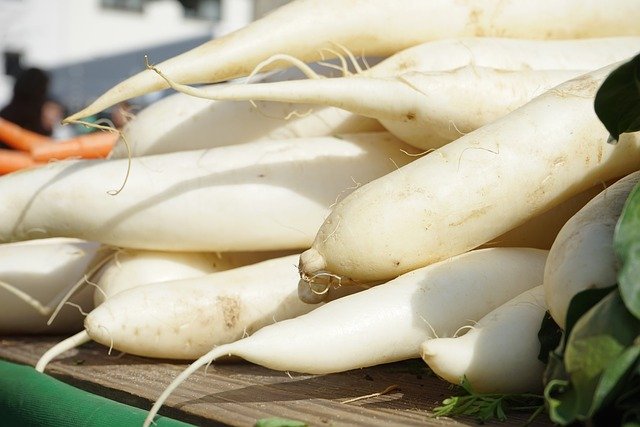
・Radish
Daikon helps digestion and promotes gastric juice secretion.
In particular, the digestive enzyme called diastase contained in radish is said to be effective for heavy stomach and heartburn.
Even if you don’t have a lot of appetite, you should be able to enjoy a refreshing feeling by combining it with meat or fish dishes.
In addition, radish is a recommended vegetable for hypochlorhydria because the allyl compound, which is a pungent component, promotes the secretion of gastric juice.
Another important thing is that many people throw away the radish skin when cooking daikon.
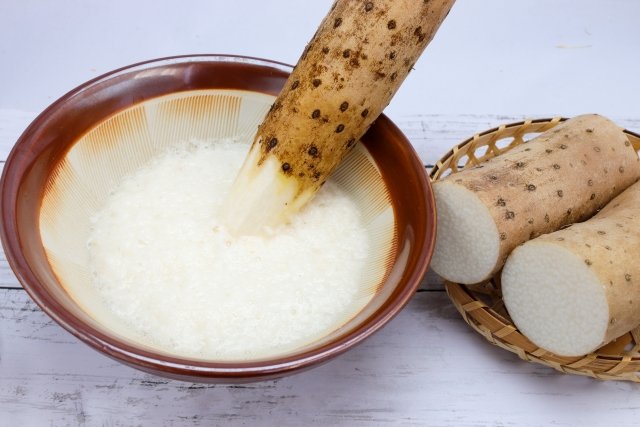
Daikon radish skin is rich in vitamin C. If you want to grate the radish, we recommend leaving the skin on.
Vitamin C has the power to regenerate the mucous membrane of the stomach.
Daikon can be used in a variety of dishes and is one of the ingredients that can be found in every household. You can’t help but take advantage of this.
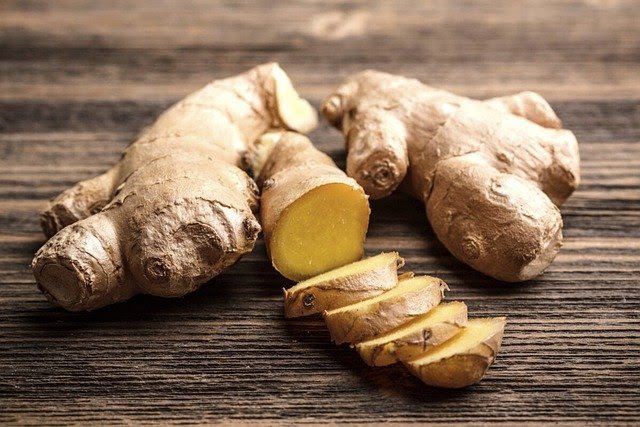
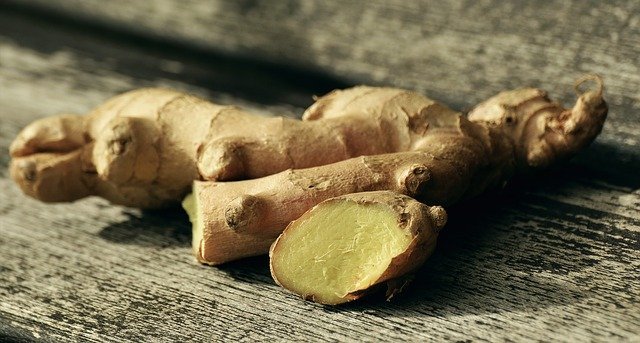
·ginger
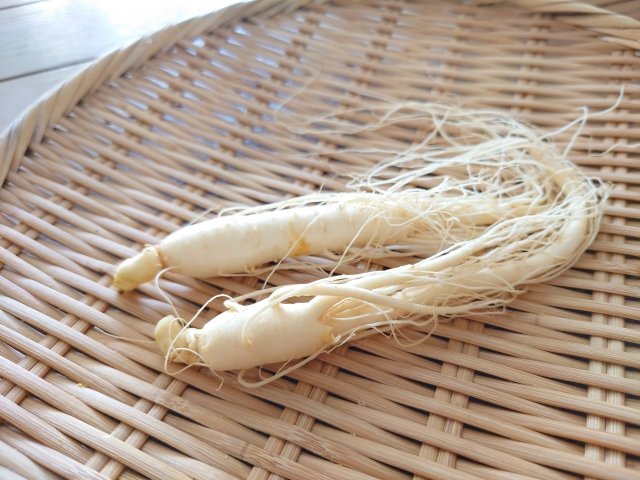
If you use ginger as a condiment when you have no appetite, you can eat more.
By the way, gingerol and shogaol are the components that give ginger its spiciness, and these two components have strong bactericidal and sweating effects.
It also has the effect of promoting gastric juice secretion and suppressing nausea, so it is recommended for those who have an upset stomach.
In addition, as you know, it has the effect of warming the whole body, so it is a food that I would definitely recommend to those who have trouble eating when it gets cold, or who have an upset stomach when eating cold foods.
However, people with hyperacidity should be careful not to eat too much ginger.
So far, I have introduced two types of foods that are always prepared in every home and are good for the stomach.
summary
Stomach discomfort is a symptom that occurs due to a little stress or eating together, and it seems that this is surprisingly likely to become chronic.
This time, we introduced daikon and ginger, which are familiar ingredients and can get the maximum effect.
Why don’t you try it at home too?


















 tana1026のブログ